Residential real estate is in the midst of a fundamental recalibration. While location, design, and financial discipline remain essential, they are no longer sufficient on their own to define long-term success.
Today’s residents—and increasingly, today’s investors—are evaluating housing through a broader lens: How well does a community adapt to change? How seamlessly does it support different life stages? How consistently does it deliver service, connection, and carefree living over time?
At Korman Communities, these questions are not abstract. They are central to how the company designs, operates, and invests in residential real estate. With a multi-generational ownership perspective and a hospitality-infused operating philosophy, Korman has built integrated living environments that reflect how people actually live today—while remaining resilient across market cycles.
What follows is a dual-voice leadership perspective from Lea Anne Welsh, Chief Operating Officer of Korman Communities and President of AVE, and Brad Korman, Co-CEO of Korman Communities. Together, they explore how flexibility, hospitality, and community are reshaping residential demand—and why platforms (business models) designed around choice and people are positioned to create durable value for partners over the long term.
A Structural Shift in How Value Is Created
Brad Korman
In residential real estate, value has traditionally been associated with fundamentals—great locations, strong design, disciplined capital structures. Those elements still matter. But increasingly, they represent the baseline rather than the differentiator.
Long-term performance today is shaped by how well a residential platform responds to the way people actually live. Flexibility, service, and community are no longer peripheral considerations. They are core drivers of demand, retention, and resilience across cycles.
From an ownership perspective, the most durable assets are those designed to adapt without losing their identity or operational integrity.
Renting by Choice is Redefining Residential Living

Lea Anne Welsh
When I walk our communities and speak with residents, what I hear consistently is not hesitation about renting—it is intentionality.
Across our AVE communities, we serve residents who value mobility and career optionality, families who are delaying homeownership while keeping choices open, and a growing population over 50 who have owned homes—sometimes multiple homes—and are intentionally choosing carefree rental living and opting for seasonal flexible living, namely snowbirds.
These are renters by choice. They are people who could own, but decide not to—because they value lifestyle, convenience, and peace of mind. They want to lock the door, travel, and know that everything at home is taken care of. They want to live well, not manage assets.
Brad Korman
From a partner perspective, renters by choice represent a fundamentally different demand profile. These residents tend to stay longer, engage more deeply, and place value on experience rather than simply price per square foot.
That dynamic supports stronger retention, more predictable cash flow, and long-term brand equity. In other words, the resident experience is not separate from performance—it is the driver of it.
Choice as a Foundational Design Principle
Lea Anne Welsh
At AVE, everything starts with choice.
Choice in how long you stay. Choice in whether you rent fully furnished apartments or you bring your personal belongings. Choice in how you engage with your community. Choice in how you communicate with our teams.
This philosophy is deeply rooted in the history of Korman Communities. Long before flexibility became an industry talking point, our company recognized that housing needs exist on a spectrum. There is a meaningful gap between a hotel stay and a traditional annual apartment lease—and people live in that gap every day because of career moves, life transitions, and changing family dynamics.
AVE was designed to meet people where they are and support them as their needs evolve.
Brad Korman
That insight shaped how we think about residential real estate at a platform level. Flexibility is not an add-on. It is a design requirement.
Systems built around a single assumption—traditional apartments, fixed lease terms, minimal service—are less capable of adapting to change. Platforms designed for optionality are more responsive, more resilient, and better positioned across cycles.
What We Mean by the AVE Platform
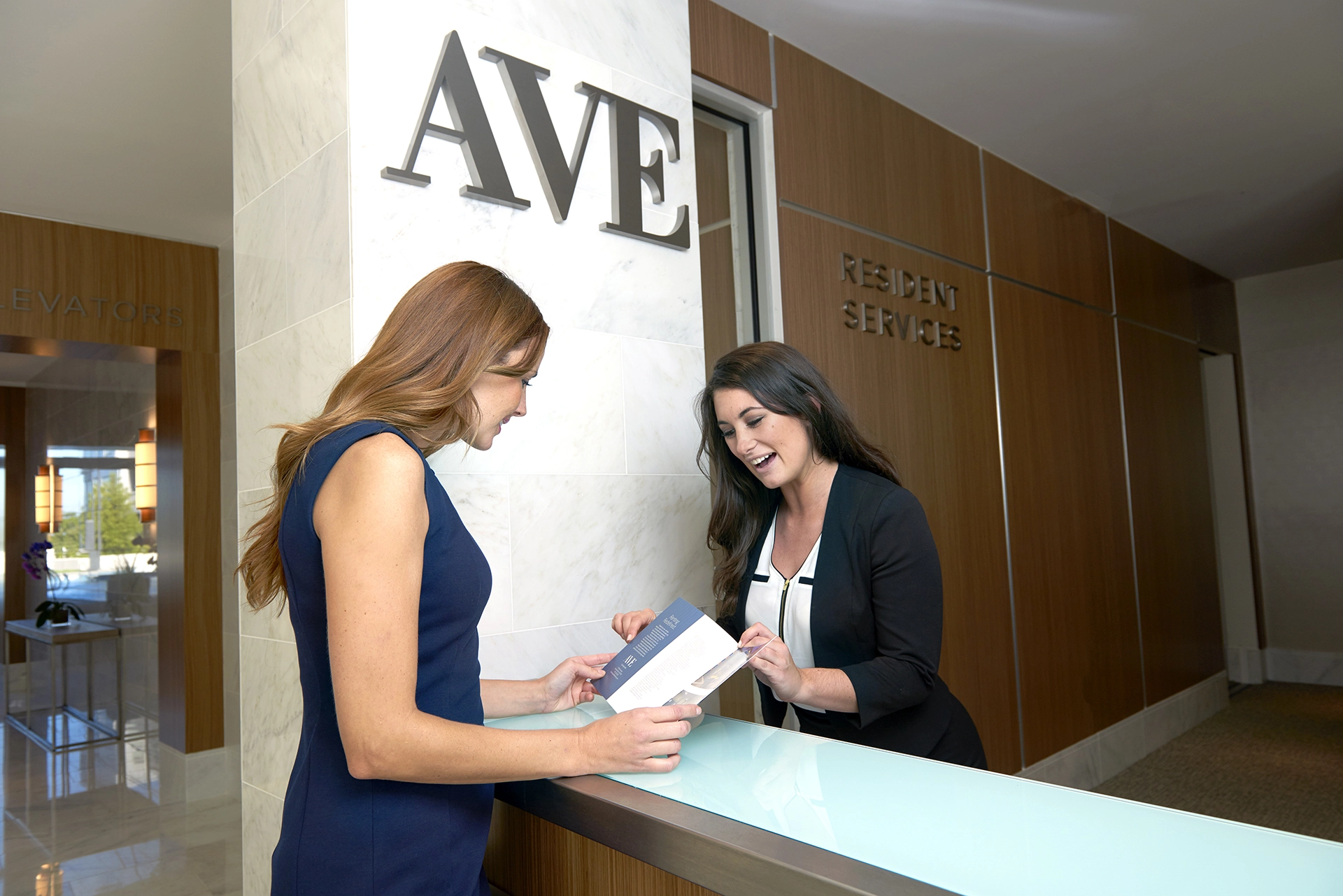-web-(2).webp?language=en "Lifestyle Lobby With AVE team looking at a brochure")
Lea Anne Welsh
When I refer to the AVE platform, I am not talking about a single product type or a conventional residential approach.
AVE is intentionally designed as an integrated living platform—one that gives people real choice in how they live, for how long, and with what level of service.
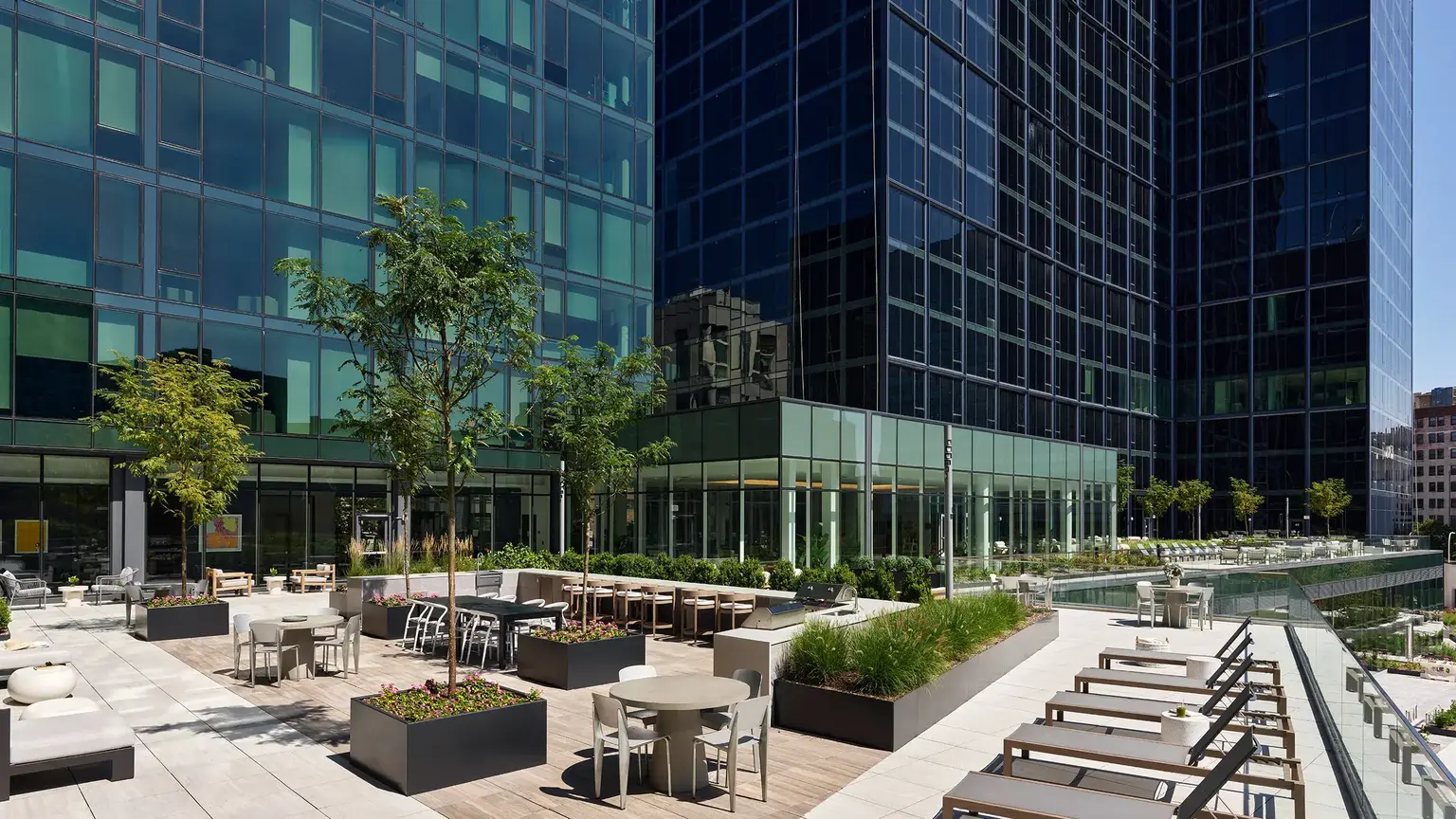
Within the same community, residents can choose to bring their personal belongings or lease a fully furnished apartment, they can choose whether they want a year-long lease or to lease furnished month-to-month, and when to use on-demand business, wellness, and leisure amenities—all supported by a high-touch, award-winning resident service team.
Our purpose—Live Better®—is not a tagline. It is a trademarked principle that informs how we design, staff, and operate every AVE community, every day.
Brad Korman
That wholeness is critical. There are no operational silos, no tiered service levels, and no cultural separation based on length of stay.
From an ownership standpoint, this cohesion allows flexibility without volatility and optionality without dilution. It also enables reinvestment—in people, programming, and physical assets—creating a reinforcing cycle of quality and performance.
Hospitality as an Operating Discipline
Lea Anne Welsh
Hospitality in residential real estate is often misunderstood. It is not about finishes or aesthetics. It is about how people are treated—consistently and personally.
At AVE, hospitality is an operating discipline. It shapes staffing models, leadership presence, resident engagement, and daily decision-making. Technology plays an important role, but it is there to enhance relationships—not replace them.
Brad Korman
Service, when executed well, is not an expense line—it is a value creator.
Great people cost more. They also pay for themselves. Hospitality supports pricing power, strengthens renewals, and builds durable differentiation that is difficult to replicate.
Community as a Long-Term Advantage

Lea Anne Welsh
People want community—but not forced community.
They want spaces that feel welcoming, adaptable, and alive. They want opportunities to connect without obligation and privacy without isolation. That is why flexibility in amenity design matters so much.
Brad Korman
From an asset perspective, adaptability protects longevity. Communities that remain relevant across demographics and cycles require less disruptive reinvestment and maintain stronger positioning over time.
Flexibility is not just a resident benefit—it is a hedge against obsolescence.
Alignment of People, Operations, and Capital

Lea Anne Welsh
None of this works without people.
We invest deeply in recruiting and retaining team members who are empathetic, curious, and service-oriented. Those qualities cannot be automated, and they matter most when residents are navigating change.
Our leadership team spends significant time in our communities. Listening—especially when feedback is difficult—is how we stay ahead of trends rather than reacting to them.
Brad Korman
That same philosophy extends to our partners.
Residential real estate, when done well, is not a commodity business. It is a stewardship business—one where long-term performance is inseparable from culture, service, and execution.
A Durable Approach to Residential Value
Lea Anne Welsh
The future of multifamily will not be defined by who builds the fastest or operates the leanest. It will be shaped by those who remember that real estate is ultimately a people business.
The new American dream is not about owning more—it is about living better.
Brad Korman
Communities that deliver choice, service, and genuine connection will continue to attract residents by choice. Platforms that do so consistently will continue to attract partners by choice.
At Korman Communities, we believe the strongest residential platforms are built where people, operations, and capital are aligned. That alignment—across leadership roles, generations, and market cycles—is the foundation on which long-term value is built.